5 October 2025 · Paint Correction · Dubai · Car Detailing
Paint Correction Dubai: What It Is, What It Costs, What to Expect
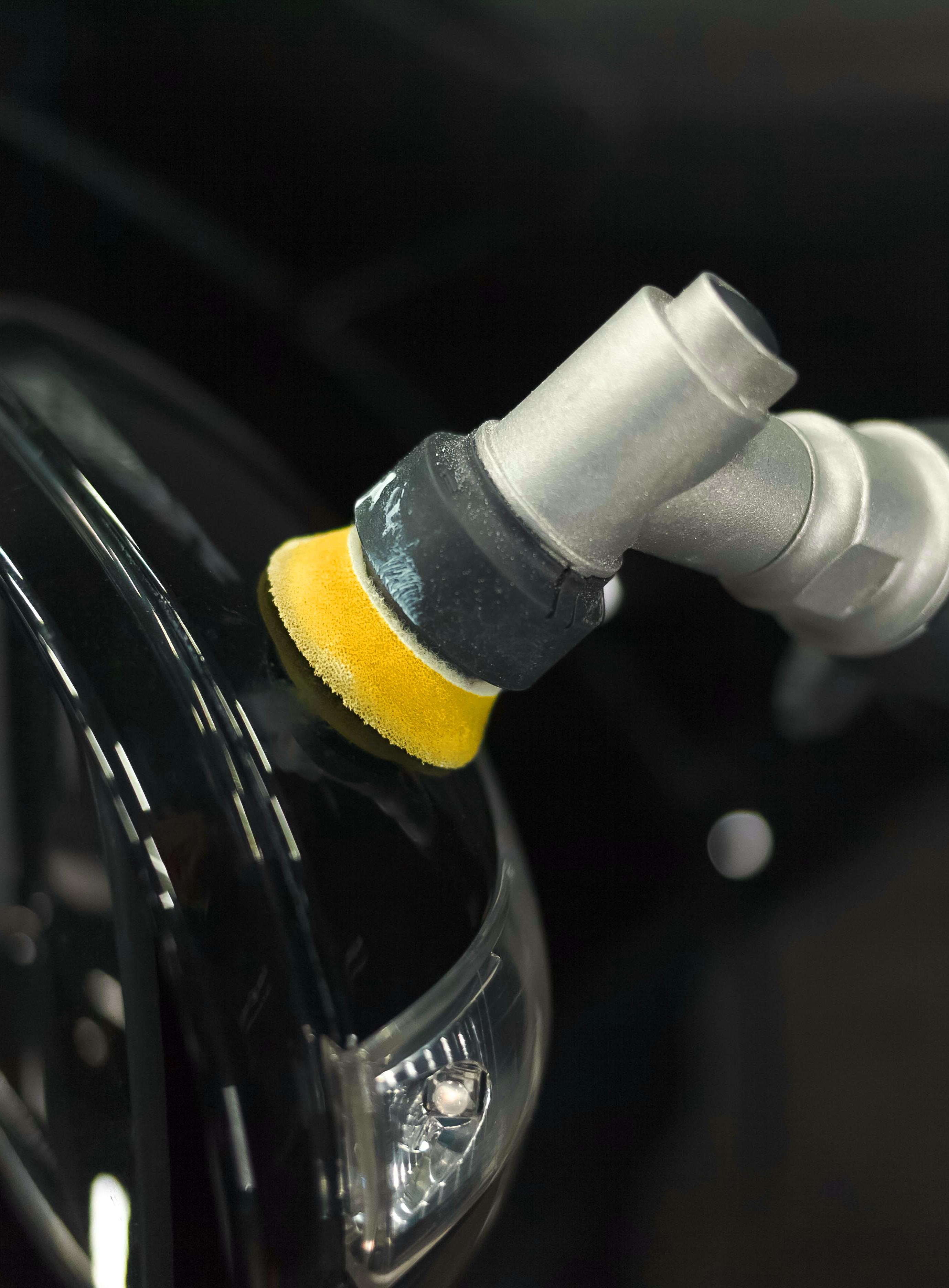
Paint correction is the process of removing defects from a car's clear coat — swirl marks, light scratches, water spot etching, and oxidation — by carefully abrading a controlled amount of clear coat until the surface is uniform again. In Dubai, where washing habits, sand, and UV cause accelerated paint degradation, most cars more than two years old benefit from at least one stage of correction.
- —1-stage correction: removes approximately 50–70% of light defects — AED 600–1,000
- —2-stage correction: removes 80–90% of moderate defects — AED 1,200–2,000
- —3-stage correction: removes 95%+ of severe defects including deep scratches — AED 2,500–4,500
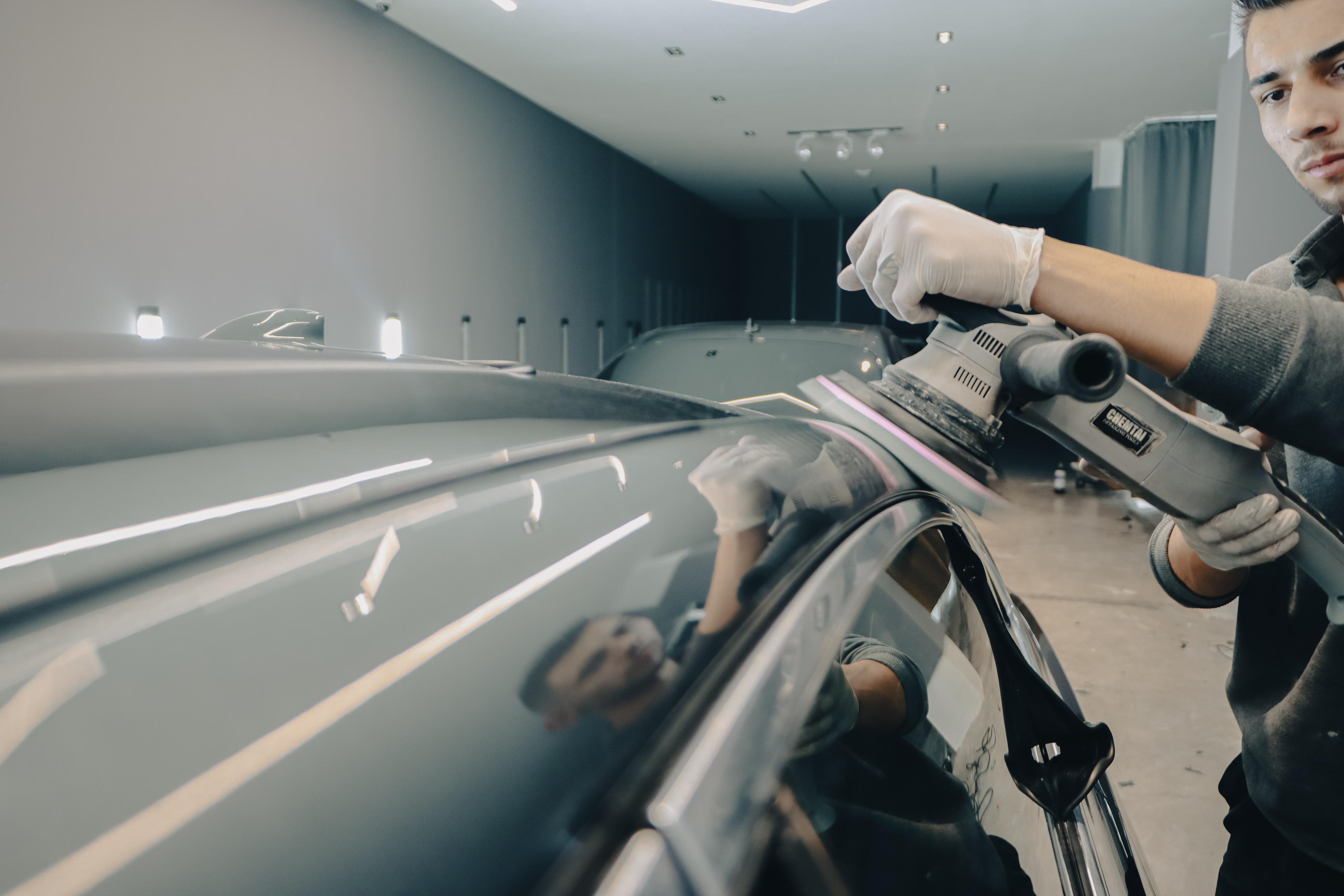
- —Process uses machine polishers with graded cutting compounds and finishing polishes
- —Always performed before PPF or coating — a defect locked under film or coating is permanent
What Paint Correction Actually Removes
Clear coat is the transparent layer over your car's colour coat. It is typically 40–80 microns thick. Paint correction removes a controlled amount — usually 2–5 microns per stage — using machine polishers and abrasive compounds. Defects in the clear coat that are shallower than the remaining thickness can be polished out entirely. Deeper defects are improved but cannot be eliminated without risking cutting through to the colour coat.
What correction removes: swirl marks (caused by circular washing motions), water spot etching (mineral deposits that etch into clear coat from UV-heated Dubai water), light scratches (up to approximately 3 microns deep), buffer trails from previous amateur polishing attempts, and oxidation (dullness and chalky appearance from UV breakdown of the clear coat surface).
What Paint Correction Cannot Fix
Deep scratches that penetrate through the clear coat into the colour coat or primer require touch-up or respray — polishing will not close them. Stone chip craters, panel dents, and rust require bodywork. Correction also cannot fix paint that has worn too thin from previous over-polishing — checking remaining paint thickness with a paint depth gauge is the first step any professional studio should take before beginning work.
The Dubai-Specific Case for Paint Correction
Cars in Dubai develop swirl marks faster than in most markets because of two endemic problems: automatic car wash brushes (which are the default quick wash option at petrol stations) and the practice of wiping dust off a dry car with a cloth. Both actions drag abrasive particles — sand, brake dust — across the clear coat surface. After two to three years of weekly automatic washes in Dubai, the clear coat surface typically looks heavily swirled under any raking light source.
Paint Correction Before PPF or Coating
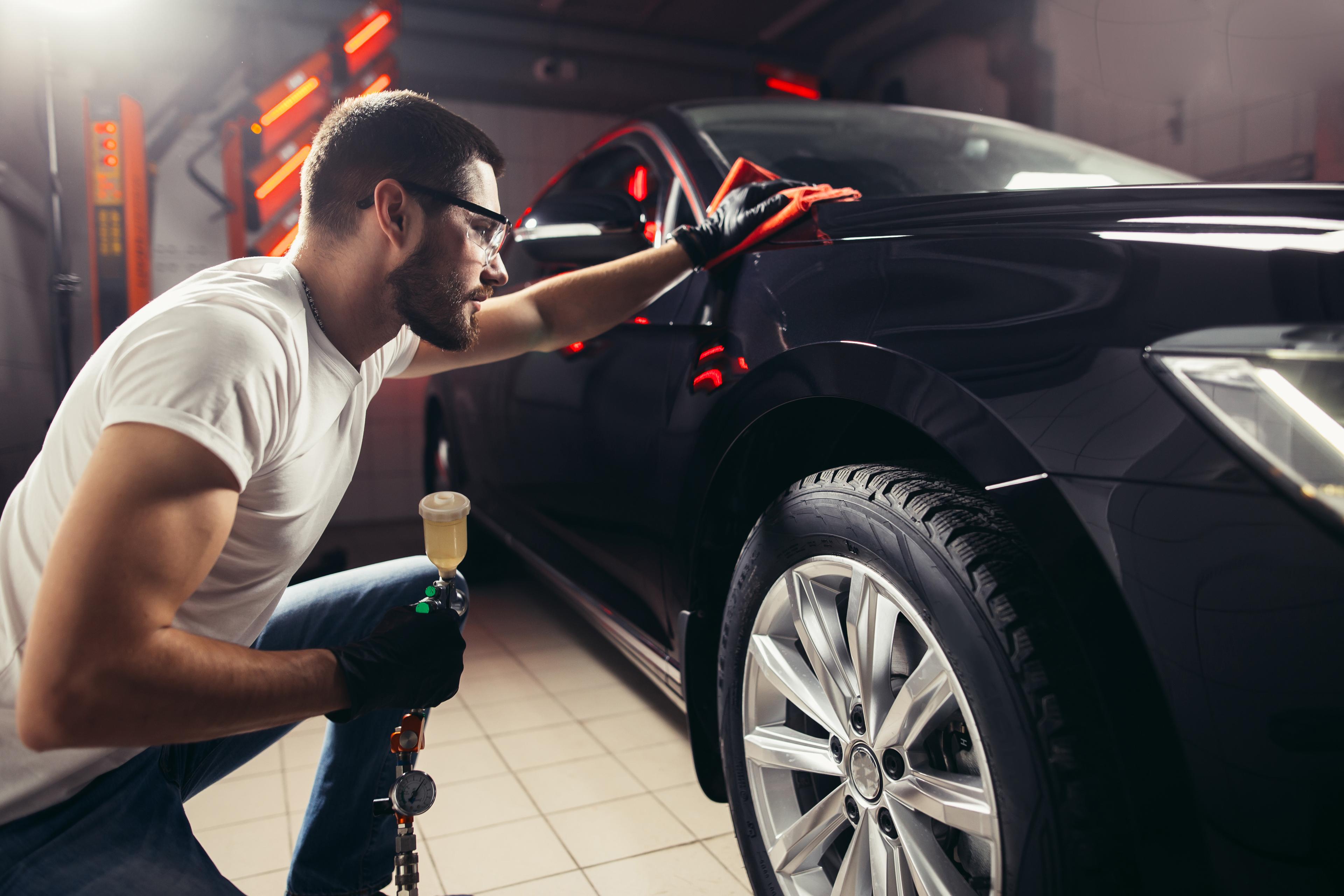
This sequence is non-negotiable: correct first, protect second. PPF and graphene or ceramic coatings do not hide defects — they lock them in permanently. A swirled clear coat under PPF will look swirled through the film for the next 7–10 years. At Detailing Dynamics, every PPF and coating job includes a pre-installation paint inspection, and correction is recommended wherever the paint condition warrants it.
Frequently Asked Questions
How do I know if my car needs paint correction?
Inspect the paint under a single overhead LED light source or a bright torch. Tilt the panel toward the light and look for circular spider-web marks across the surface. If these are visible on multiple panels, the car benefits from correction. A studio can measure paint thickness and assess defect depth during a free pre-inspection.
Will paint correction damage my car?
Performed correctly by a trained technician using the right machine, pad, and compound combination for your paint's hardness, correction does not damage paint. It removes a controlled amount of clear coat. Performed by an untrained person using the wrong combination, it can burn through the clear coat or leave buffer trails worse than the original defects.
How long does paint correction take?
A 1-stage correction on a mid-size car takes 4–6 hours. A 2-stage takes 8–12 hours. A 3-stage on a heavily defected large vehicle can take 2–3 days. The work cannot be rushed — insufficient time per panel means incomplete defect removal.
Questions about your own car?
Ask on WhatsApp